Original: $5.36
-70%$5.36
$1.61The Story
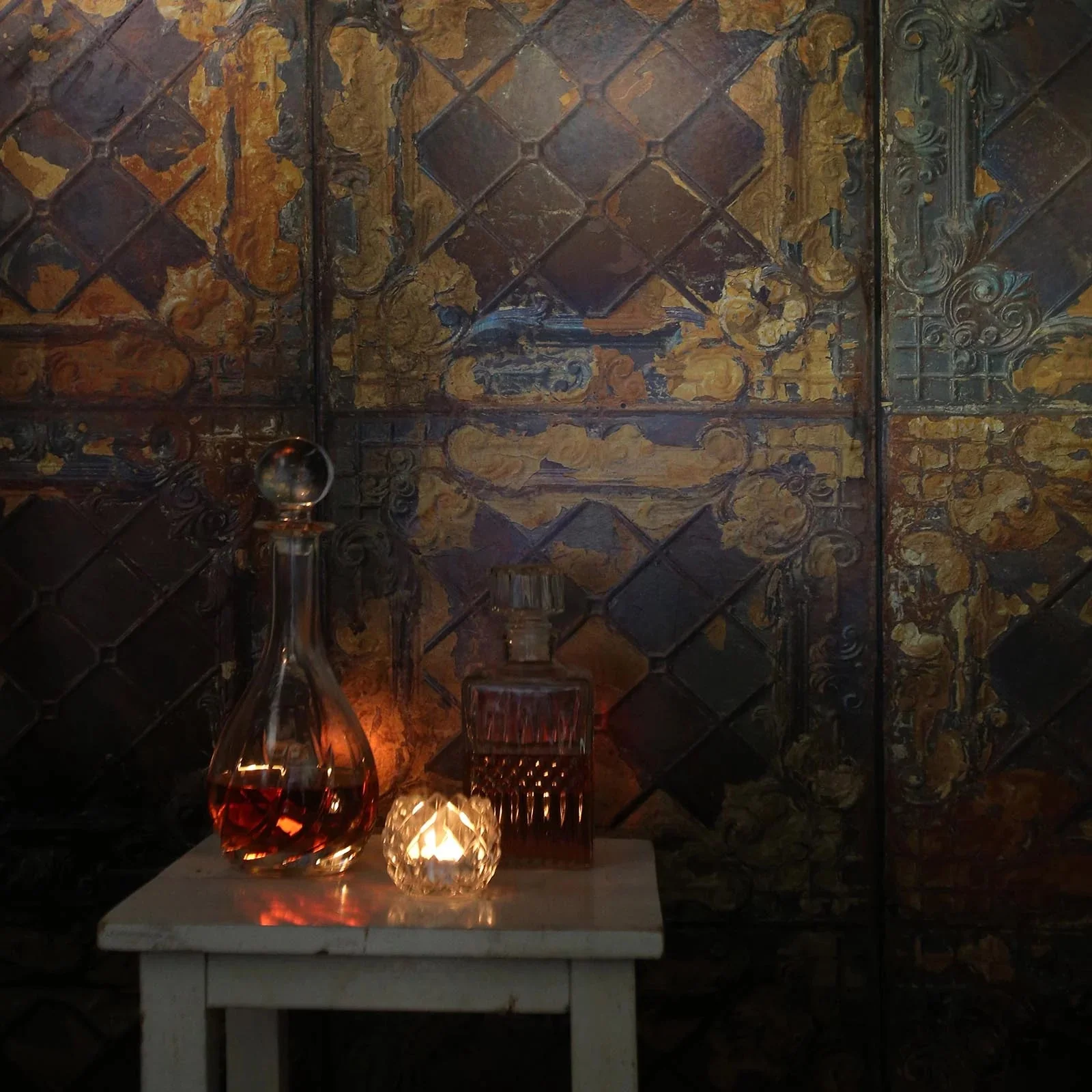
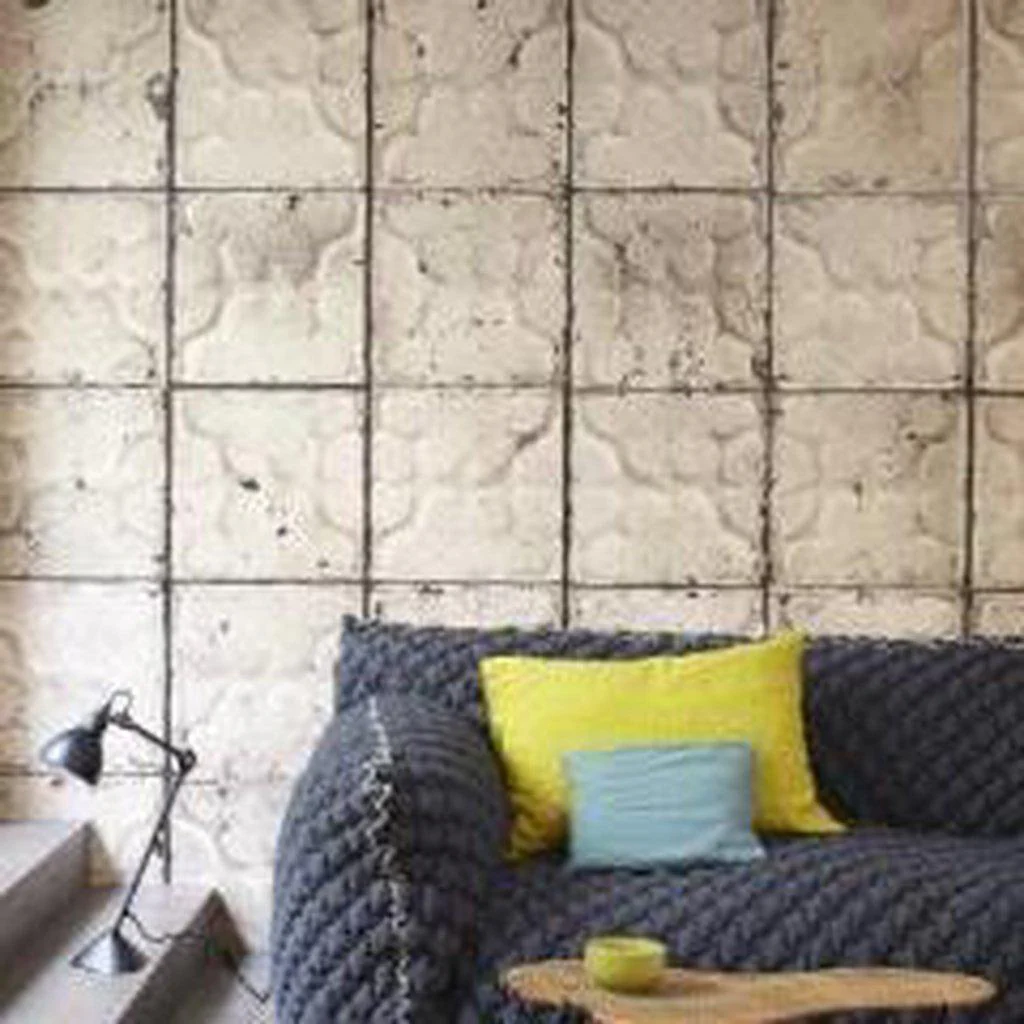
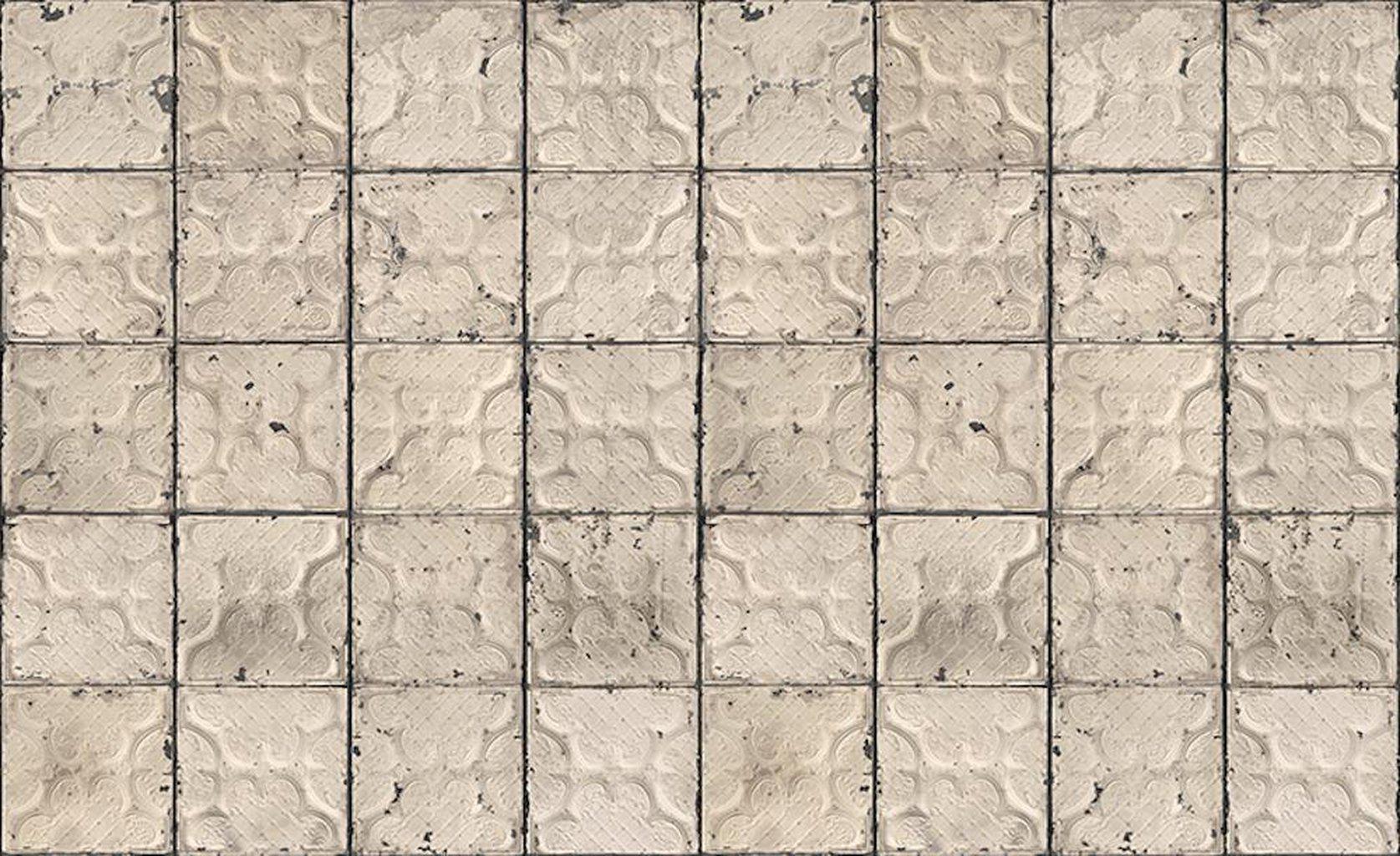
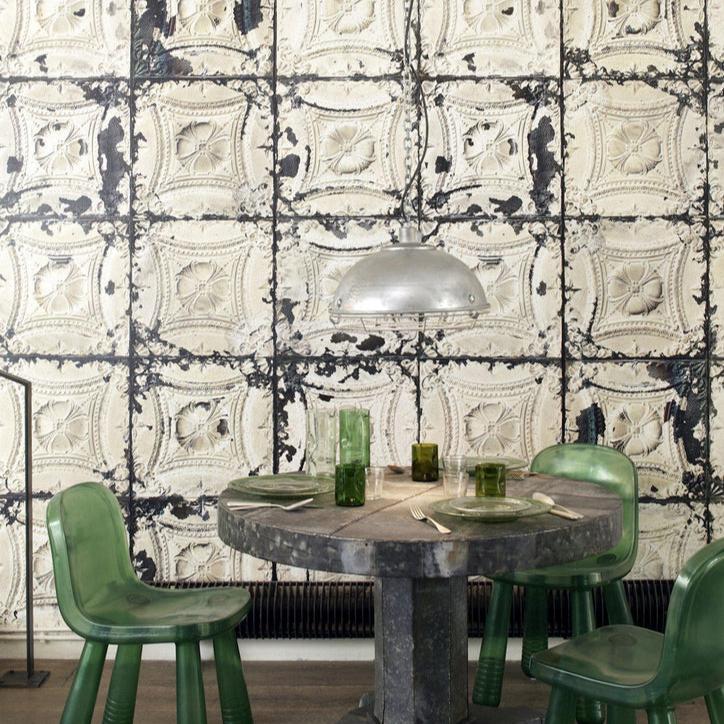
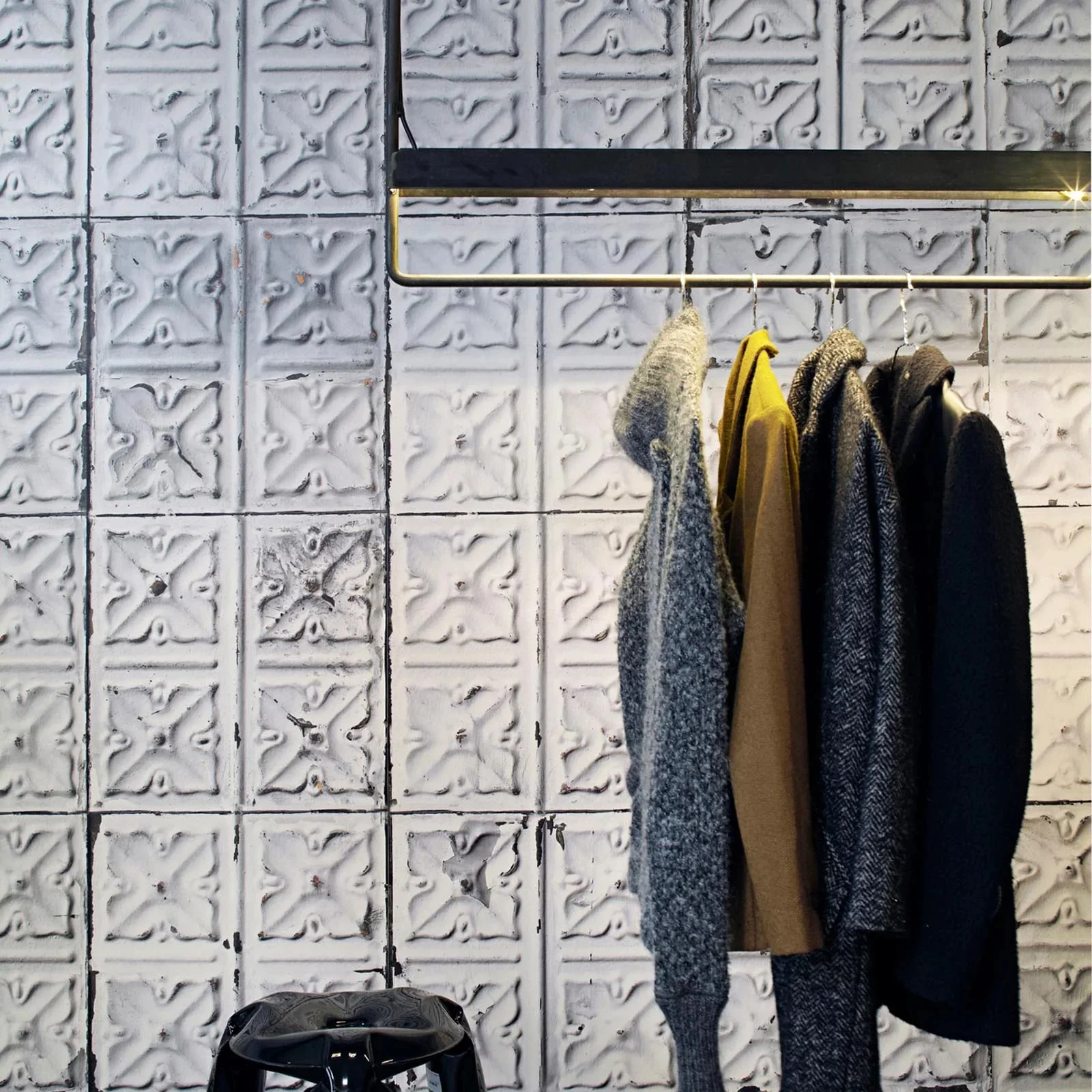
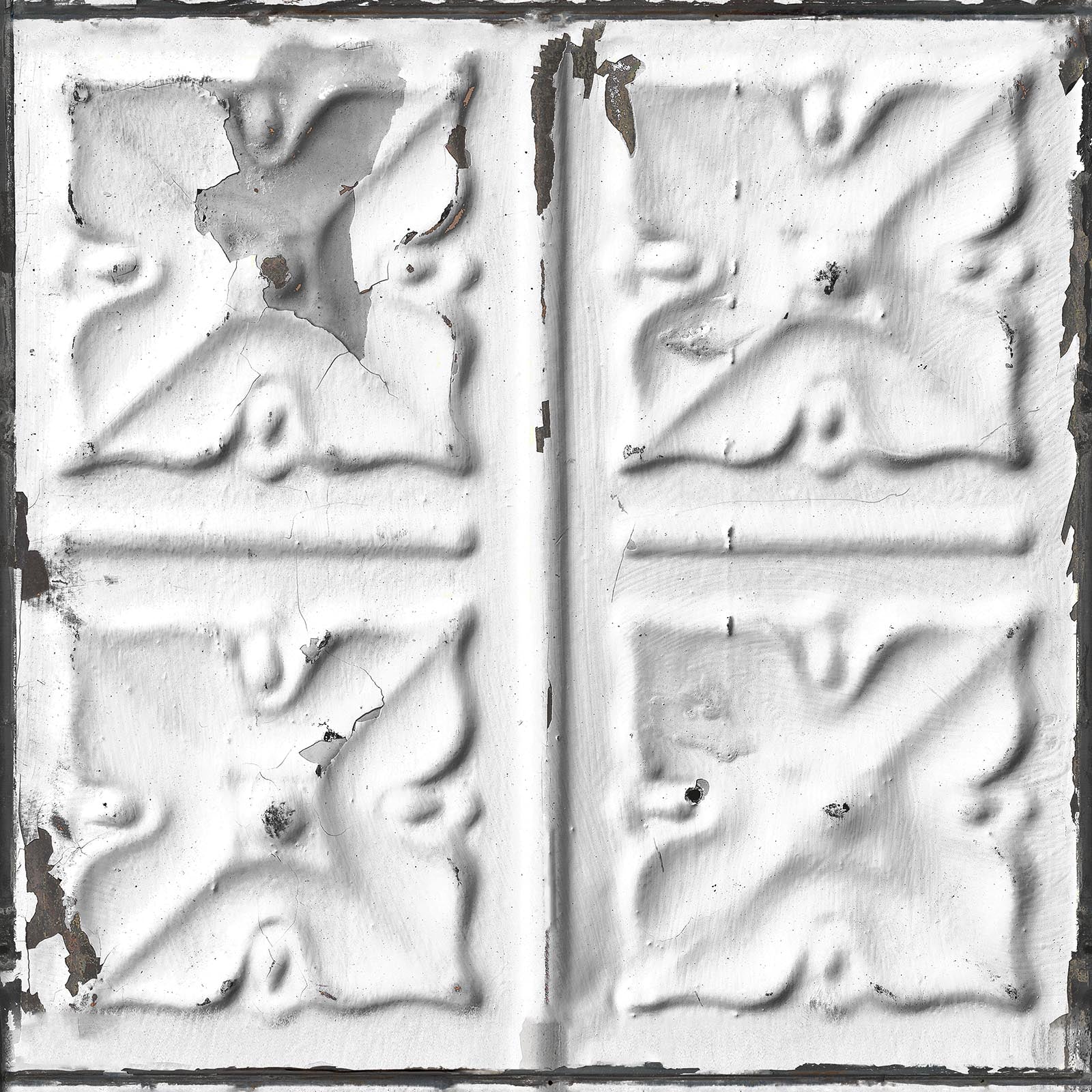
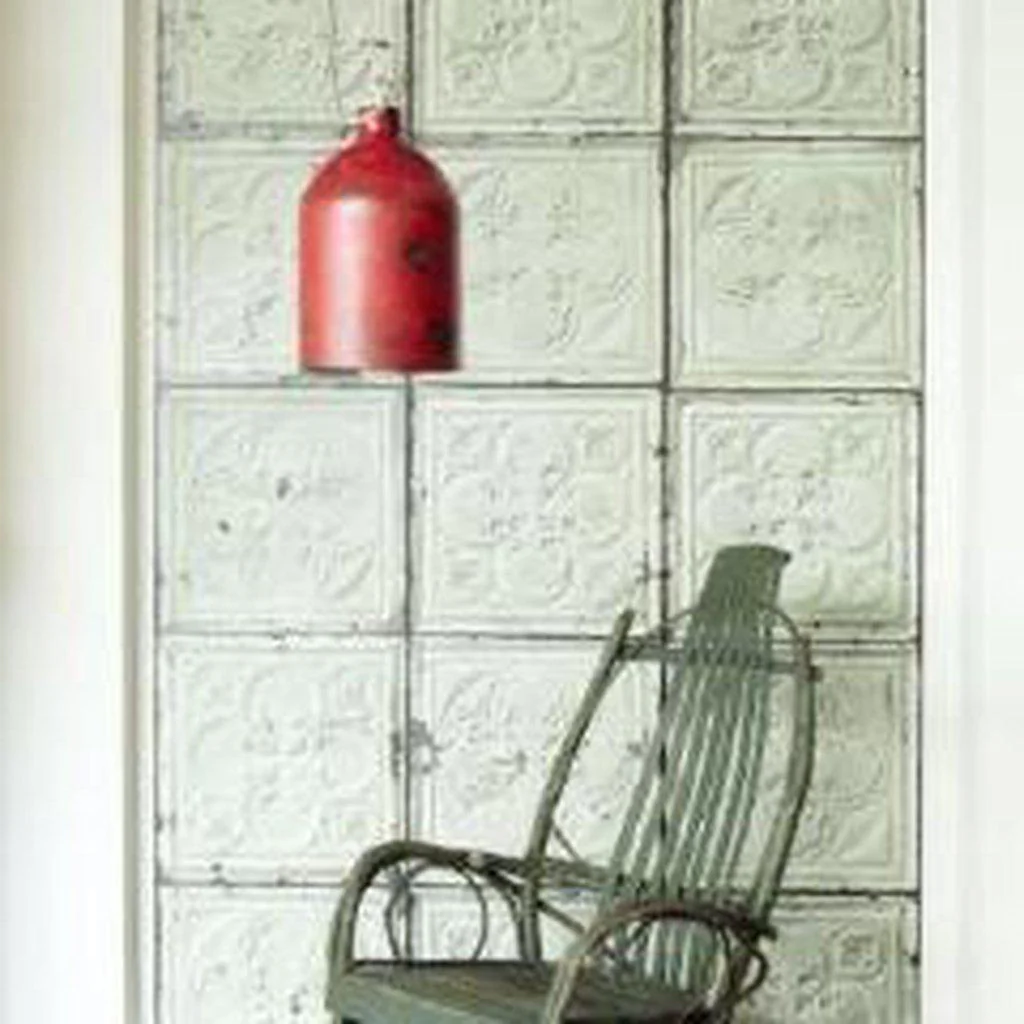
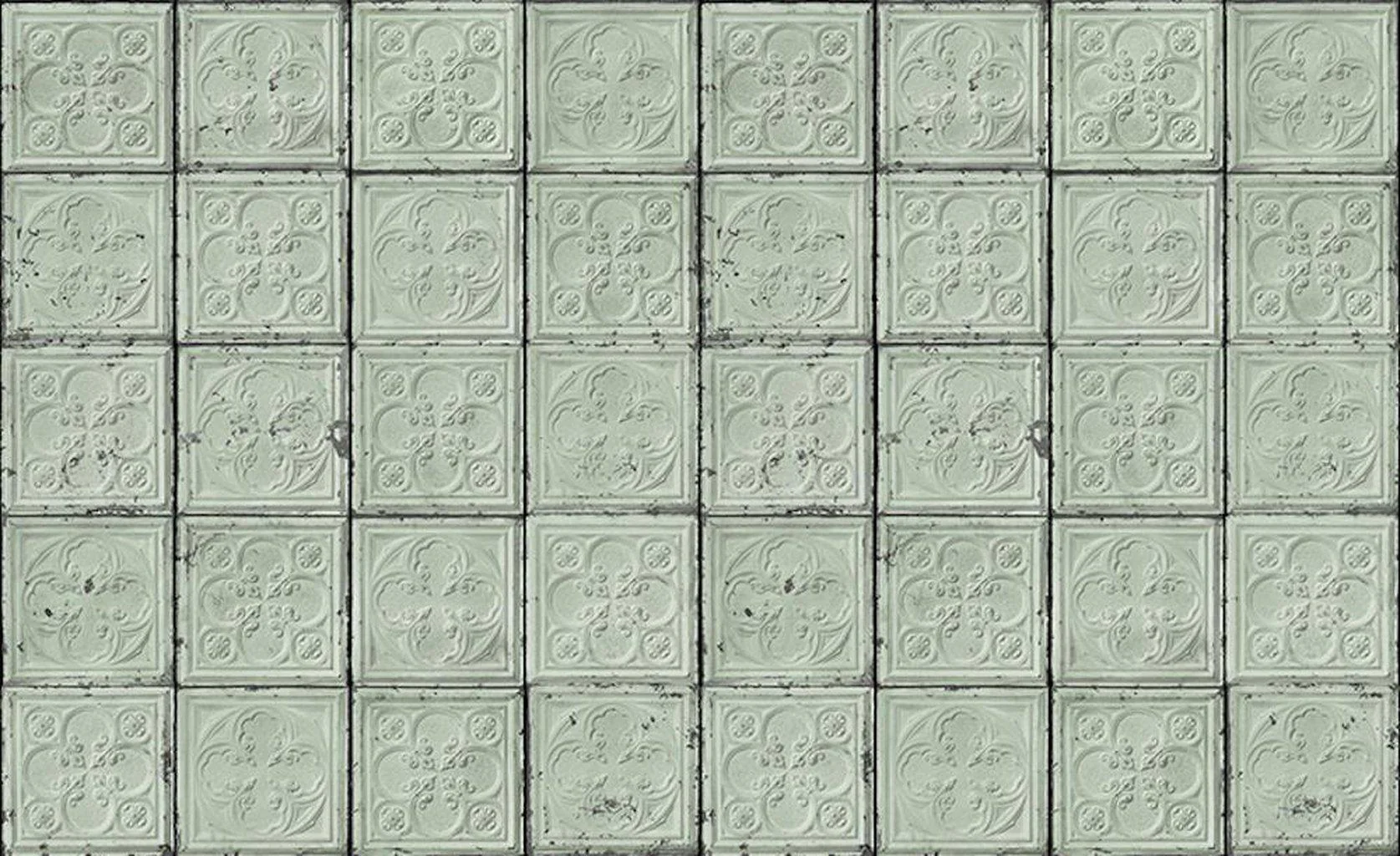
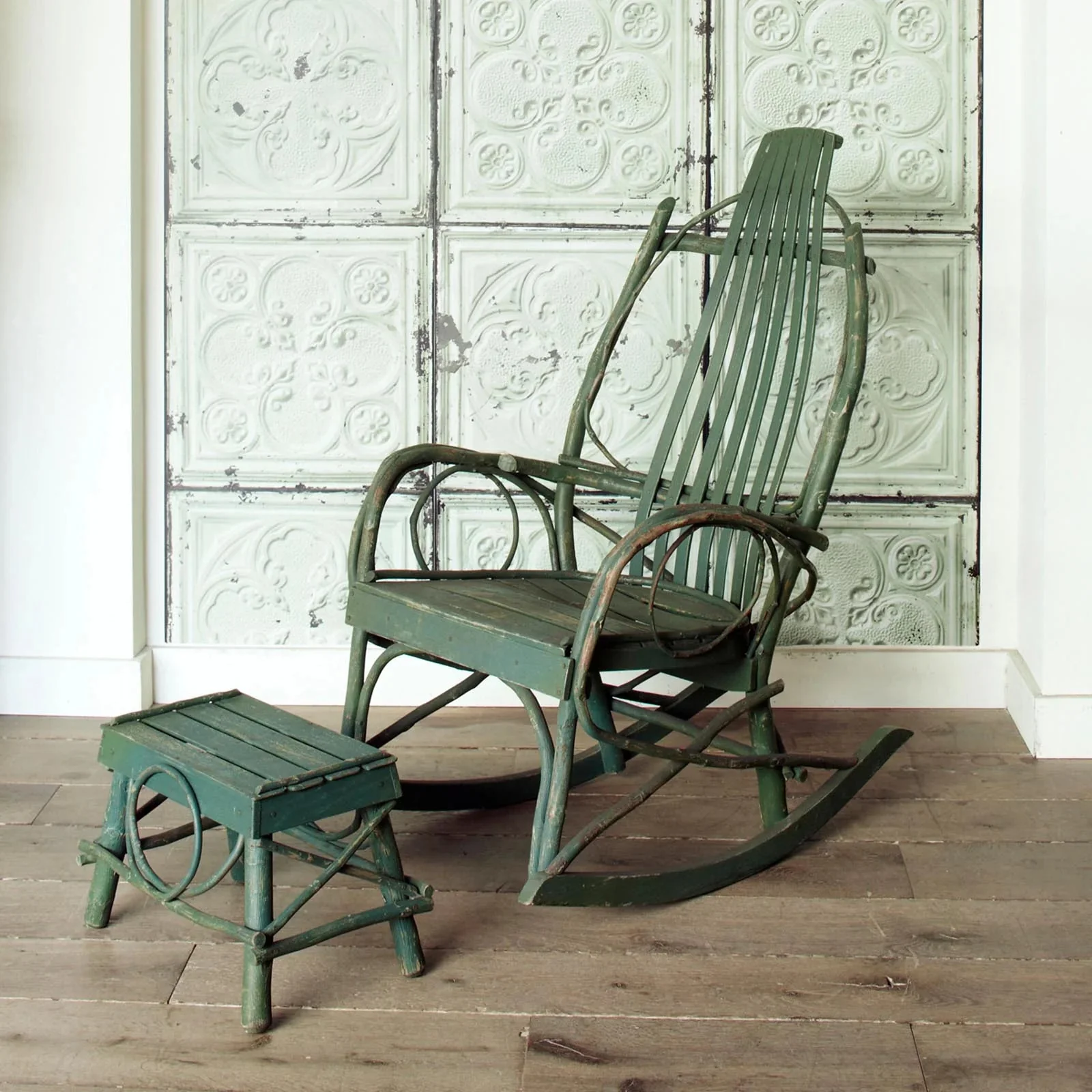
Obtain the NLXL Brooklyn Tins Green TIN-05 Wallpaper by Merci. This digitally printed non-woven back wallpaper is perfect for enhancing any ceiling as a decorative touch. The application process is simple - just paste the wall or ceiling instead of the paper and enjoy a seamless installation.
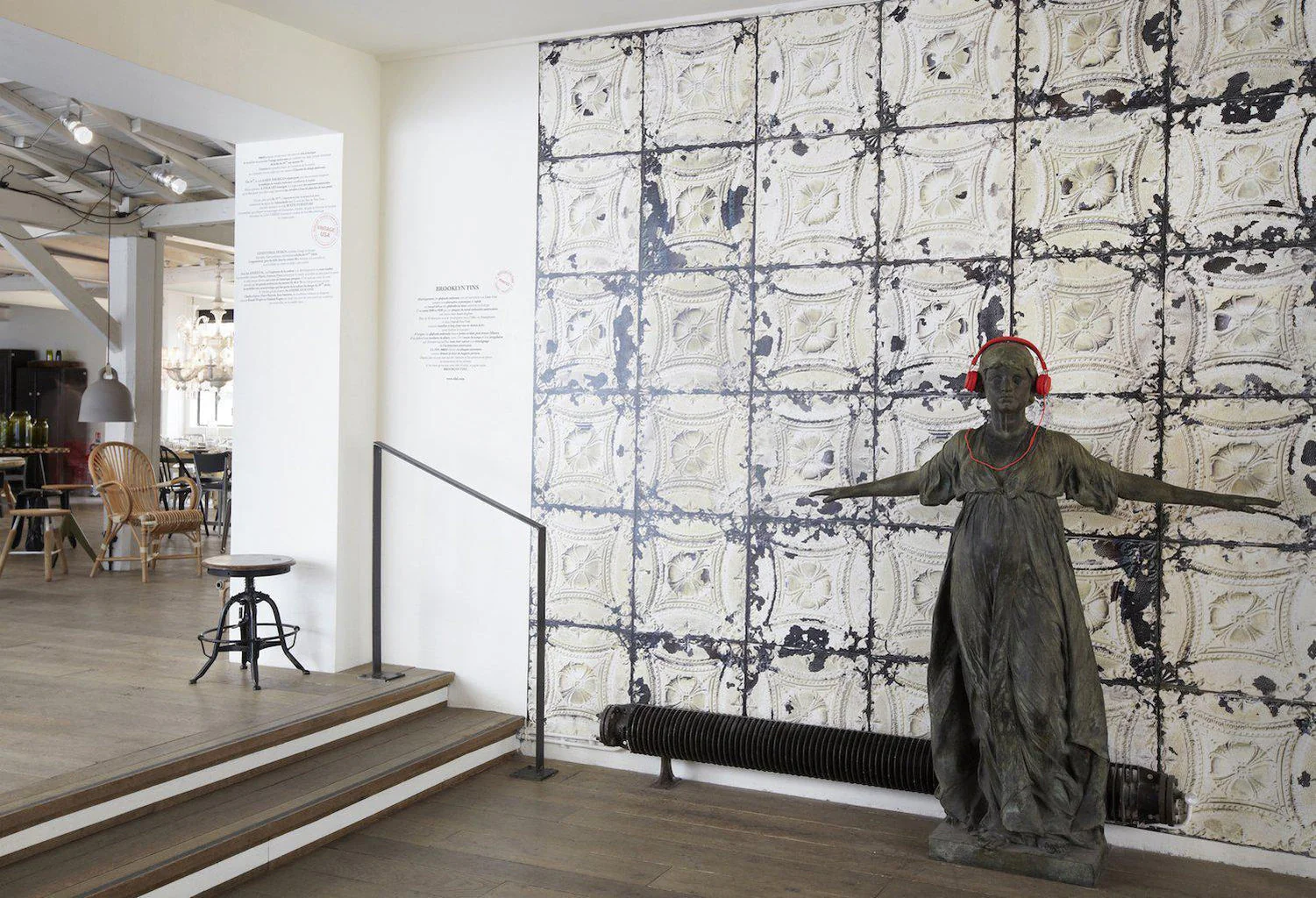
In 2009, MERCI's Parisian store incorporated vintage ceiling tins into their decor, which has since become a popular attraction for visitors. Due to this phenomenon, MERCI has collaborated with NLXL to bring you the Brooklyn Tin Tiles wallpaper collection, available in green.
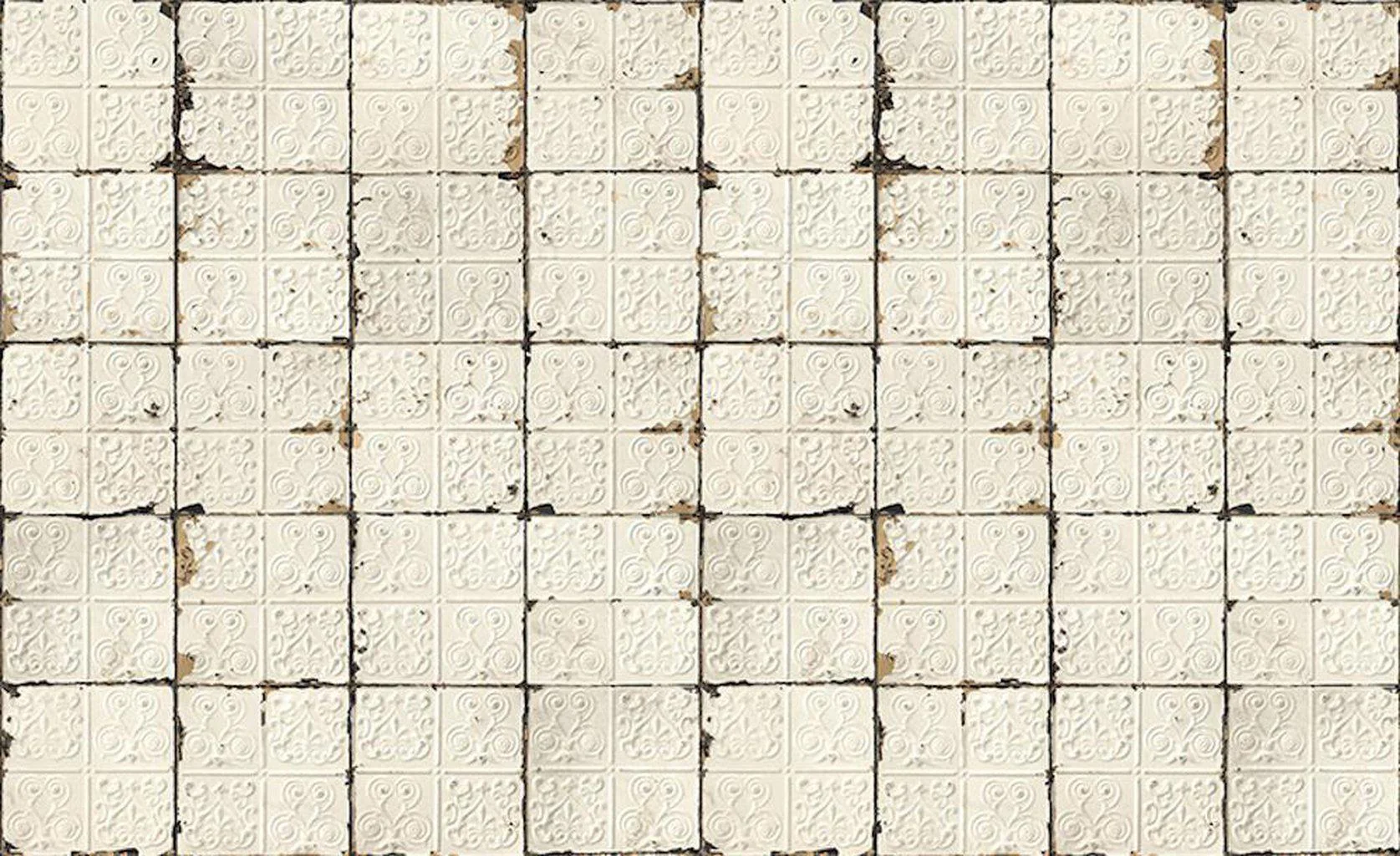
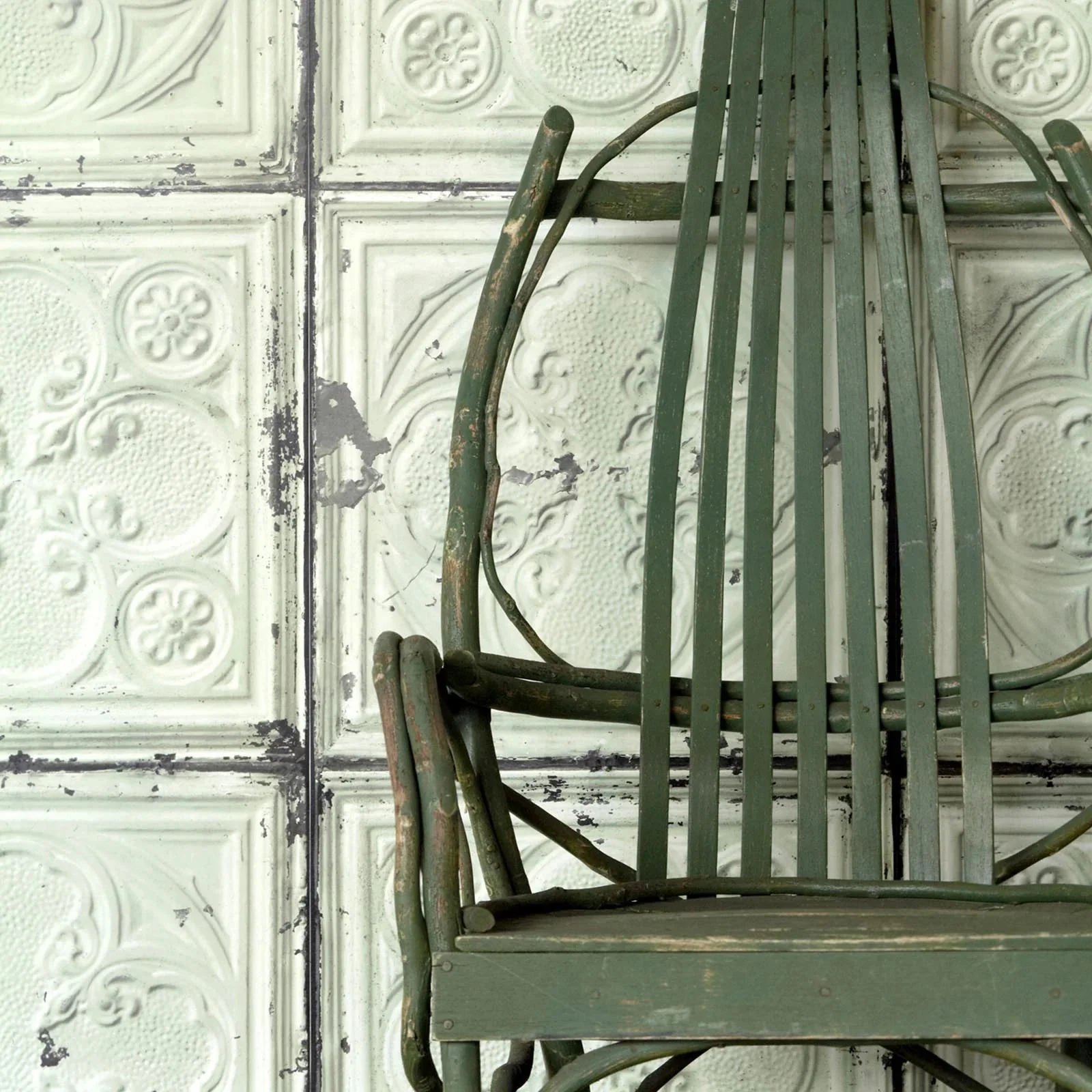
Tin tiles have been used as a budget-friendly alternative to European plasterwork since they were introduced to North America from 1890 to 1930. Initially painted white to imitate hand-carved or molded plaster, the charming irregularity and natural aging of the tin now adds to the appeal of this iconic American architectural feature.
Details & Craftsmanship
Every detail has been carefully considered to bring you the perfect product.

Details & Craftsmanship
Every detail has been carefully considered to bring you the perfect product.
Details & Craftsmanship
Every detail has been carefully considered to bring you the perfect product.
Details & Craftsmanship
Every detail has been carefully considered to bring you the perfect product.
Description
Obtain the NLXL Brooklyn Tins Green TIN-05 Wallpaper by Merci. This digitally printed non-woven back wallpaper is perfect for enhancing any ceiling as a decorative touch. The application process is simple - just paste the wall or ceiling instead of the paper and enjoy a seamless installation.
In 2009, MERCI's Parisian store incorporated vintage ceiling tins into their decor, which has since become a popular attraction for visitors. Due to this phenomenon, MERCI has collaborated with NLXL to bring you the Brooklyn Tin Tiles wallpaper collection, available in green.
Tin tiles have been used as a budget-friendly alternative to European plasterwork since they were introduced to North America from 1890 to 1930. Initially painted white to imitate hand-carved or molded plaster, the charming irregularity and natural aging of the tin now adds to the appeal of this iconic American architectural feature.